
Beginning in 2026, new biosecurity measures will apply to vessels arriving in French Polynesia. These regulations are being implemented by the Direction de la Biosécurité (DBS) to prevent the introduction of invasive insect species that threaten the territory’s fragile ecosystems.
While 2026 will focus primarily on arrivals in the Marquesas, the program will expand further in 2027.
If you are planning to sail to French Polynesia — whether independently or as part of a rally — here is what you need to know.
Why These Measures Are Being Introduced
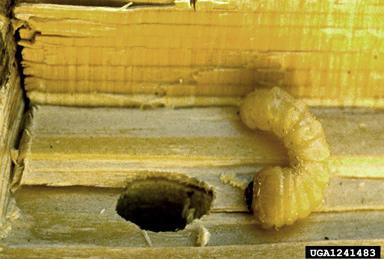
French Polynesia’s island ecosystems are uniquely vulnerable. Invasive species — particularly wood-boring (xylophagous) insects — can cause severe damage to:
- Native forests
- Crops and agriculture
- Biodiversity
- Wooden vessels and infrastructure
Authorities are especially concerned about pests currently present in certain regions of the Eastern Pacific, including the Galápagos Islands and parts of Central America.
The goal is simple: prevent harmful species from reaching French Polynesia.

What Changes in 2026?
Starting in 2026:
-
Vessels will undergo documentary control
-
Selected arrivals will be subject to visual inspection
-
Physical inspections in 2026 will take place in the Marquesas Islands
-
In 2027, procedures will extend to independent vessels territory-wide
These measures apply to all vessels arriving in French Polynesia, regardless of nationality or rally participation.
Mandatory Requirements for All Arriving Vessels
1. Complete and Submit Required Documentation
All vessels must:
-
Fill out the official biosecurity questionnaire (via QR code)
-
Submit required documents no later than 48 hours before arrival
Advance submission is essential for clearance.
2. Preventive Treatment Before Departure (If Applicable)
Vessels departing from countries considered infested must complete a preventive treatment prior to departure.
Currently concerned departure areas include:
-
Panama
-
The Galápagos Islands
⚠️ Mexico is currently classified as infested.
Skippers should verify current classifications before departure, as updates may occur.
3. No Landing of Plants, Food, or Animals Before Inspection
If your first landfall is in the Marquesas:
-
You may anchor
-
You may remain onboard
-
You may not land:
-
Plants
-
Agricultural products
-
Fresh food items
-
Animals
-
No items may be taken ashore until inspection has been completed at Nuku Hiva.
4. Be Prepared for Onboard Inspection
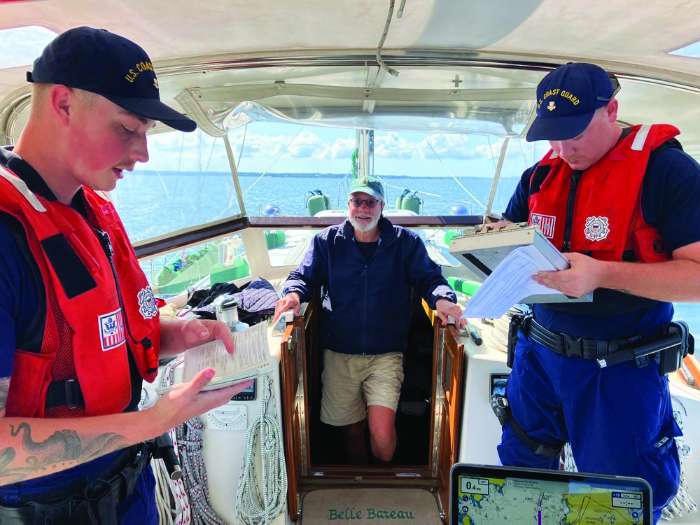
Biosecurity agents may board your vessel for a visual inspection.
Skippers should be ready to:
-
Provide documentation
-
Open lockers and storage areas
-
Allow inspection of wooden structures
-
Demonstrate treatment compliance (if applicable)
5. Daylight Arrival Requirement (Infested Origins)
Vessels arriving from designated infested countries must arrive between:
06:30 and 16:30
Night arrivals from infested zones are not permitted.
Arrival Scenarios
First Landfall: Another Island in the Marquesas (Not Nuku Hiva)
-
No landing of plants, food, or animals
-
Inspection will occur at Nuku Hiva
First Landfall: Nuku Hiva
-
Inspection conducted upon arrival
First Landfall: Elsewhere in French Polynesia
If your first stop is outside the Marquesas, you must proceed to the port of Papeete for inspection.
What This Means for Visiting Yachts
-
Plan preventive treatment early if departing from affected regions
-
Organize documentation before landfall
-
Ensure storage areas are clean and accessible
-
Brief crew on landing restrictions
-
Plan daylight arrival when required
These procedures are designed to protect one of the most pristine cruising destinations in the world — not to complicate your voyage.
A Shared Responsibility
French Polynesia’s ecosystems are both extraordinary and fragile. The sailing community plays an important role in protecting them.
By preparing properly and respecting these new measures, visiting yachts help preserve the natural beauty of French Polynesia for future generations of sailors.
For further clarification, vessels are encouraged to contact the Direction de la Biosécurité prior to arrival to ensure full compliance with current regulations.